
Turn Your Designs into Animations with Pixellab
Animation is a perfect tool to make your content be noticed by introducing motion to text, images, or objects. It is ideal for making a statement on social media, ads, or presentations.
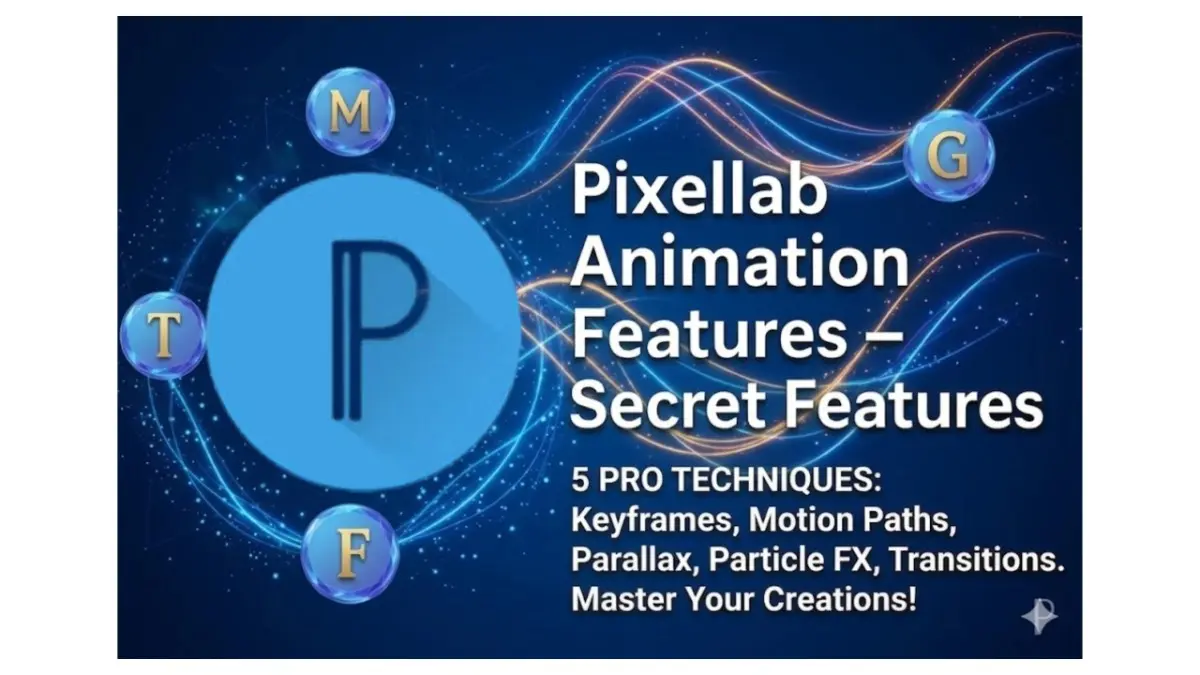
Pixellab is also famous for its user-friendly editing features, and it also provides strong animation capabilities. It allows animating text, images, and shapes to make your visuals dynamic and professional.
Using Pixellab animation tool, making your ideas into appealing animations has never been simpler.
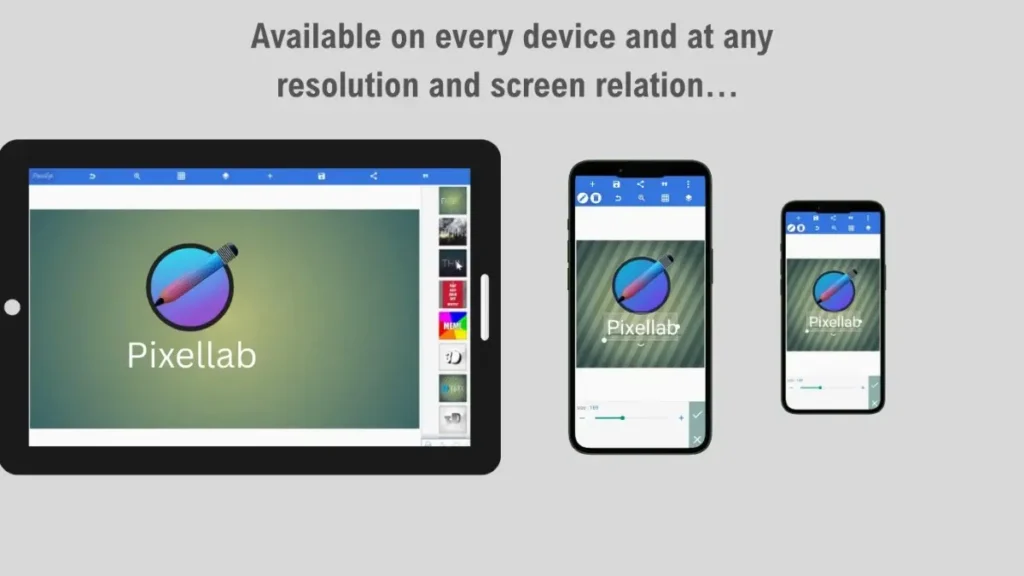
Main Animation Features of Pixellab
Pixellab provides an extensive range of animation tools for users to create animated and interactive content. The features benefit both new and experienced users to make it simple to animate your designs. Below is a summary of the main animation features:
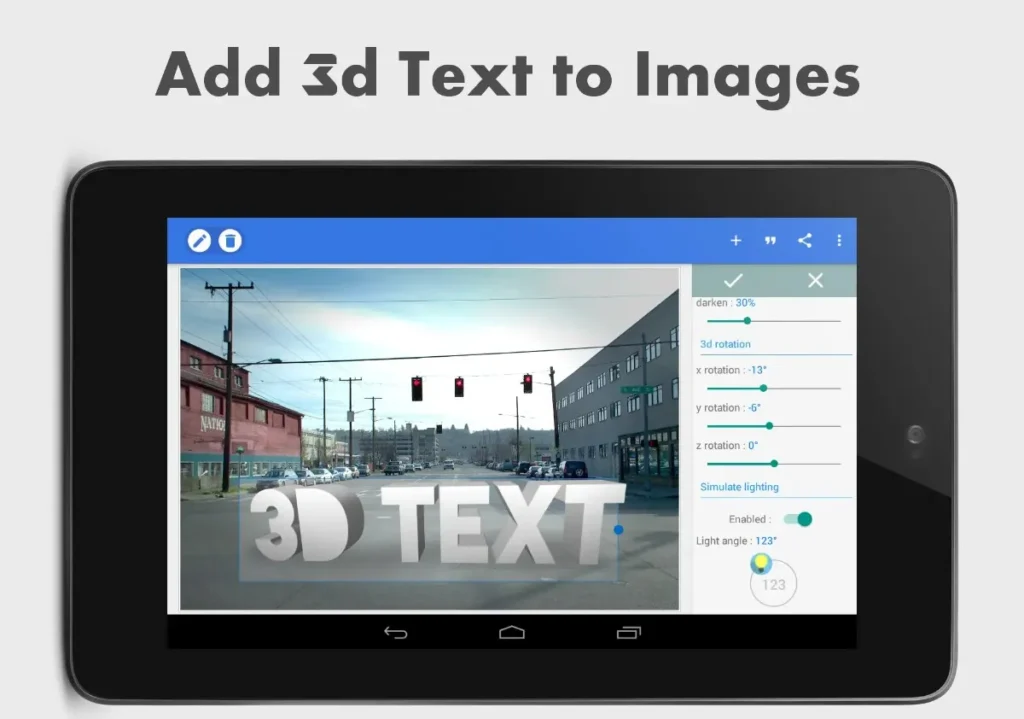
Text Animation:
Pixellab helps users animate text with a range of effects that bring liveliness and uniqueness to any design. Select from features such as:
- Fade-in/Fade-out: Transition text in gradually for a finished look.
- Slide: Slide text from any corner (left, right, top, or bottom).
- Bounce Effects: Place lively, bubbly movements in text for that extra zing.
These will be ideal in making compelling introductions, emotional quotes, or compelling call-to-actions.
Object Animation:
Pixellab extends text by providing animation functionality for images, shapes, and other graphics. Users can:
- Animate objects along specified paths (horizontal, vertical, or diagonal).
- Use effects such as rotation, scaling, or fading to produce visually engaging sequences.
This functionality is particularly beneficial for product demonstrations, emphasizing important visuals, or creating dynamic infographics.
Keyframe Animation:
Keyframe animation offers direct control over the motion of elements. Users can:
- Specify points in time to control movement.
- Create smooth animation transitions between states.
- Sync animation for intricate, multi-layered designs.
This functionality provides detailed and highly stylized animations, well suited for sophisticated projects.
Dynamic Effects and Transitions
Pixellab offers dynamic effects and transitions to add depth and overall visual impact to animations. Users are able to:
- Smoothly transition through scenes with diverse effects.
- Include motion blur for a more realistic look.
- Apply texture overlays or visual effects for enhanced aesthetics.
These tools help maintain viewer engagement and add a professional touch to your designs.
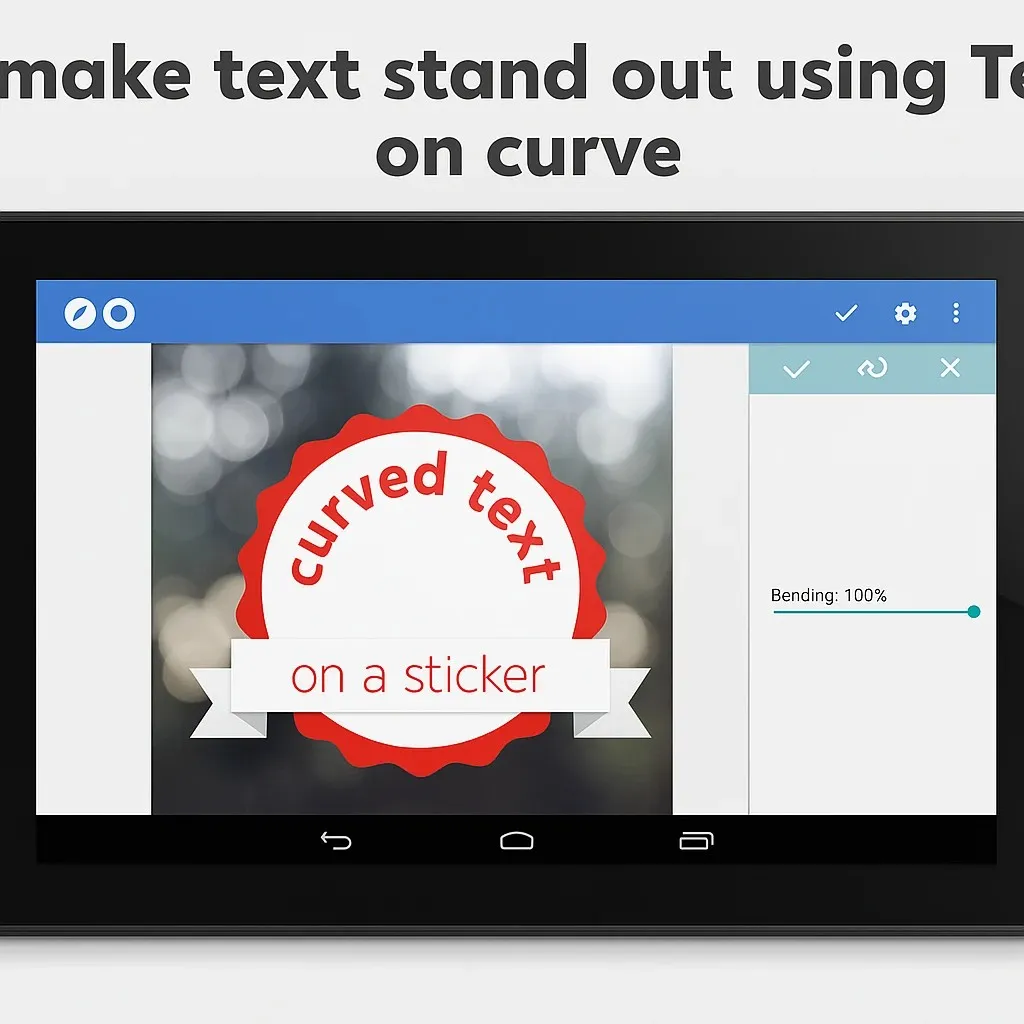
Creating Dynamic Object Animations
Pixellab also enables you to animate graphics, shapes, and images. Here are some ways you can utilize these tools for dynamic storytelling:
- Product Presentation: Animate product images for presentations or ads. This might involve 360-degree views or slight movements to emphasize features.
- Emphasizing Key Visuals: Make logos, illustrations, or other key elements stand out with animations that draw attention.
- Visual Sequences: Develop step-by-step visual instructions or explainer videos through animated objects for a smooth delivery of information.
- Animating Infographics: Bring infographics alive by animating data points, icons, or charts. This provides interactivity and makes the information more compelling.
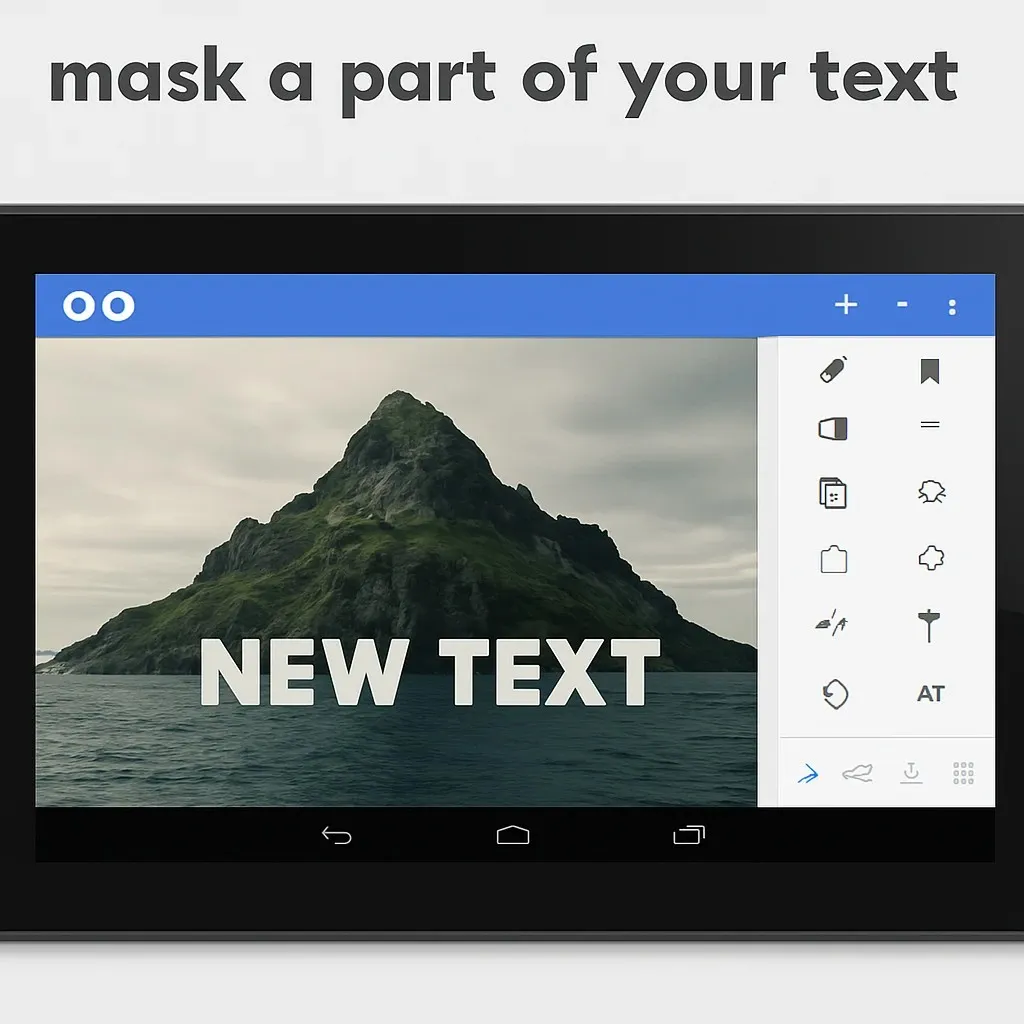
Mastering Keyframe Animation: Precision and Control
Keyframe animation gives you full control over the movement of objects in your designs. It enables you to produce smooth, accurate, and dynamic animations. Here’s how you can utilize this feature to the fullest:
- Smooth Transitions: Utilize keyframes to make objects or text move smoothly from one location to another, producing fluid and refined animations.
- Timing Controls: Fine-tune the animation timing to ensure motion synchronizes with other objects like sound or vision, enhancing the visual impact.
- Complicated Animations: Use two or more keyframes to create movements for characteristics including position, orientation, and dimension. It can be used to create richly detailed, multi-faceted designs.
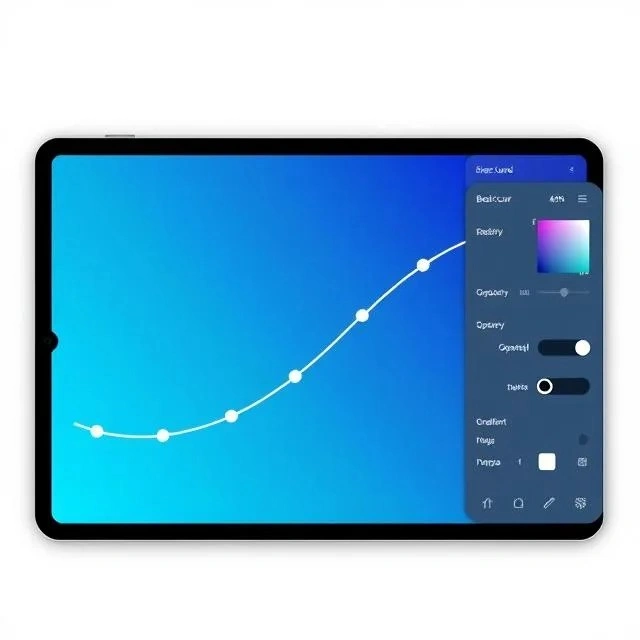
- Animate Along A Path: Use keyframes to draw text or images along shapes, curves, or custom pathways, creating specialized effects.
Customization Features:
Keyframe animation provides several customization features to refine your designs:
- Duration and Speed: Determine the duration of the animation and its speed to suit the tone and character of your design.
- Direction and Path: Specify the movement of the animation, whether linear, circular, or a custom path to suit your imagination.
- Easing Functions: Use easing effects to create more natural and appealing animations:
- Ease-In: Smooth acceleration at the beginning.
- Ease-Out: Slowing down towards the end.
- Linear: Constant speed throughout the animation.
- Individual vs. Group Animations: Opt to animate objects separately for fine control or in groups for synchronized motion, based on what you want.
With keyframe animation mastered and the possibility of customizing it opened up, you can take your designs to the next level with dynamic, professional-grade motion.
Making Visuals Pop with Dynamic Effects
Pixellab’s dynamic effects bring depth and sophistication to your animations.
- Seamless Transitions: Insert seamless transitions between scenes for a clean, professional finish.
- Visual Filters: Use filters to modify colors, textures, or moods, imparting your animations a unique look.
- Motion Blur: Insert motion blur on moving elements for a lifelike feel.
- Texture Overlays: Play with texture effects, such as grain or gradients, to imbue richness and depth.
Tips and Tricks for Creating Effective Animations in Pixellab
1. Plan Ahead
Begin with a vision in mind by developing a storyboard. Plan keyframes, transitions, and effects to keep your animation moving smoothly and consistently.
2. Be Consistent
Test keyframe and transition timing to create a natural pace. Well-paced, smooth animations are more engaging and aesthetically pleasing.
3. Master Your Timing
Test keyframe and transition timing to create a natural pace. Well-paced, smooth animations are more engaging and aesthetically pleasing.
4. Add Audio
Tie your animations in with sound effects or background music to provide depth and engage your audience. Tie audio with visuals for most effect.
5. Optimize for Platforms
Before releasing your animation, make sure it’s optimized for the platform. Rescale the resolution, aspect ratio, and file type for maximum viewing pleasure.
6. Follow Best Practices:
- Maintain consistent animation speeds to prevent jarring effects.
- Make transitions smooth and natural.
- Leave designs clean and minimal for greater focus on the main elements.
7. Avoid Common Mistakes
- Don’t overuse your design with too many animations; it’ll overwhelm viewers.
- Apply effects that fit your design’s theme and purpose to ensure coherence.
8. Experiment freely
Don’t be afraid to experiment with new animation styles and combinations. Experimenting with different methods can lead you to find innovative solutions that are best for your project.
Final Thoughts:
Pixellab’s animation capabilities enable designers to transform static concepts into dynamic, engaging content that is truly attention-grabbing. From basic text animations to complex keyframe designs, the possibilities are endless. Whether designing educational materials, marketing promotions, or art pieces, Pixellab provides a capable platform to achieve your vision easily and accurately.
Unleash your creativity and explore the endless potential of Pixellab. With its powerful features, you can create animations that not only engage but leave a lasting impression on your audience. Transform your vision into reality and let your designs inspire.